Step one: Draught sealing
Seal the gaps
Most draughts come through gaps around doors, windows, vents, downlights and floorboards. Sealing them is quick and cheap – and it’s the fastest work in the house to feel.

Your goal
A draughty house can swap its warm air for cold air several times an hour. Sealing the gaps is the cheapest work in the building – and the fastest to feel.
This goal usually involves
Seal the gaps before you replace the windows. It costs a fraction as much, and it shows you which windows still need work.
The pathway
You don’t have to tackle everything at once. But sticking to this sequence means each later upgrade can be smaller and cheaper – even if you space them out over years.
Step one: Draught sealing
Most draughts come through gaps around doors, windows, vents, downlights and floorboards. Sealing them is quick and cheap – and it’s the fastest work in the house to feel.
Step two: Insulation
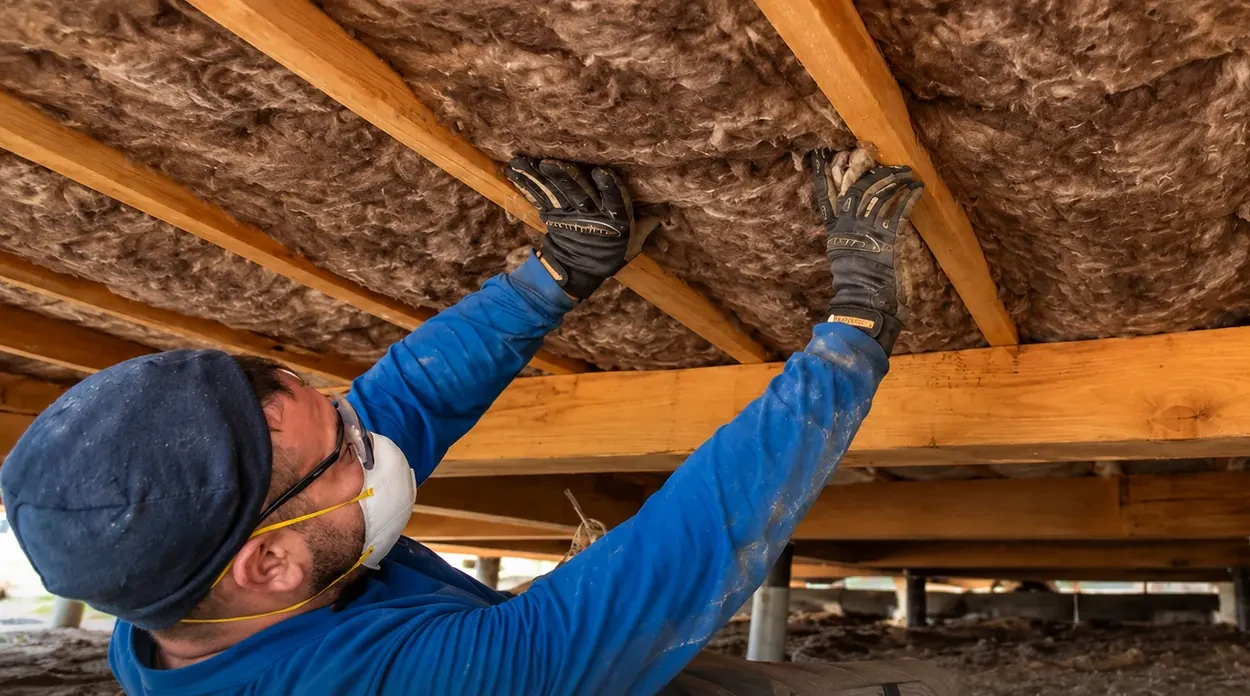
Once the air stops moving, cold floors and ceilings become the next weak point. Underfloor and ceiling insulation stop heat leaving through them.
Step three: Windows and glazing
Old windows that rattle and leak are both a draught and a cold surface. Retrofit or replace the worst ones first, and leave the rest for later.

Not sure where to start?
Don’t waste money on upgrades you don’t need. A professional home energy assessment shows where your house loses heat and power, so your budget goes where it makes the biggest difference.
Find an assessor near meSpecialists for this goal
Serves Bayswater and surrounding suburbs | Based in Bayswater

Serves Southbank and surrounding suburbs | Based in Southbank

Based in Ravenhall

Based in Thornbury

Ready to start
We’ve mapped out the installers closest to your suburb. Enter your suburb or postcode to see who works in your area and can help you tackle step one.


